I am developing headphones with cameras and microphones to make it easier to record what we experience, remember and associate with the world around us.
Two models in the RLL line will also feature EEG electrodes positioned on top of the head, beneath the headband, and on the forehead to record patterns of brain activity.These signals may provide clues about general states, such as alertness, relaxation or emotional responses, helping to add context to recorded experiences and memories.
RLL is part of REITION: my project to collect and preserve data about ourselves, from biological information to digital records, with the aim of recreating ourselves in the future.
The headphones contribute one part of that record: the situations we take part in, our surroundings, our words and the memories that surface as we go about our lives. More advanced versions would add physiological measurements and recordings for research.
Record your surroundings · Explain what they bring to mind · Build a richer record of yourself
RLL is under development. The images show proposed designs. Early hardware experiments and 3D models provide a starting point for further prototypes and testing.
How it would work ↓ · Compare the models ↓ · Collaboration and investment
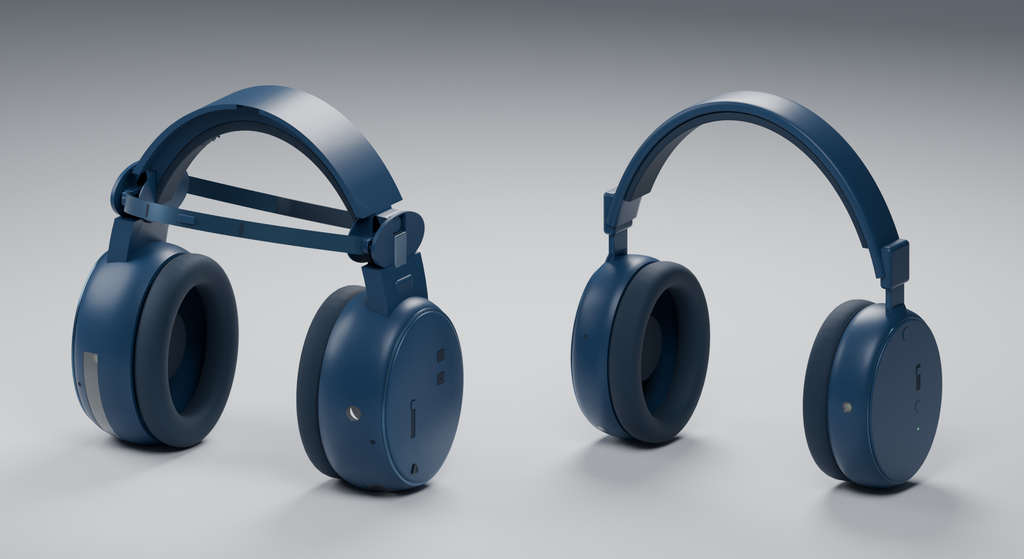
RLL Pro on the left and Basic on the right — concept visualisation.
Capture the moment — and what it brings to mind
You pass an old shop, notice a car or hear a familiar sound. Something from your past comes back: a person, a journey, a conversation.
“My father had a car like that. The first time we drove to the seaside, I remember…”
The useful record includes both the scene and your explanation of the association it triggered. What did you remember? Where does that association come from? Why does it matter to you?
With recording already running, you could tell the story as it surfaces, without taking out a phone, opening an app or setting up a camera. A physical “Save this moment” button would mark a passage for later processing, including the preceding footage if it was already being recorded.
These links between present experiences, older memories and personal meaning are part of the information I want REITION to preserve. REMY, the companion software project, is intended to help explore and develop those accounts further.
Record for longer. Keep an archive that makes sense.
If the user chooses, RLL is intended to support recording through much of everyday life, within the practical limits of battery life, storage and comfort. That does not mean every repetitive minute needs to remain in the long-term archive.
Imagine spending ten hours in the same room. Keeping the same view for ten hours every day may add little. A conversation, a new event or a personal association spoken aloud during that time may add a great deal.
The planned software would help select material for the archive: retain meaningful events, spoken recollections and their context, while reducing long stretches of repetitive footage. The user would set retention preferences and be able to keep more of the original material when needed.
| During recording | During archive preparation |
|---|---|
| Capture the surroundings and your own commentary. | Identify events, speech, marked moments and changes in context. |
| Mark something important without interrupting it. | Keep the relevant passage with enough context to understand it. |
| Leave recording running when appropriate. | Reduce repetitive material according to the user’s preferences. |
A still picture must not be treated as proof that nothing important happened. Nor should a short AI summary become the only surviving record of a meaningful passage. Selected source recordings should remain available alongside transcripts, notes and summaries. Selection and retention are planned software functions that still need development and testing.
On your head or around your neck
RLL is designed to record ahead of you in two everyday positions. On your head, Basic uses one forward-facing camera; Pro and Science have two. Around your neck, a separate camera is positioned to record what is in front of you.
You could take the headphones off your ears to talk or take a break and still use them for recording. Physical controls, a status light and recording to a memory card are intended to keep basic operation simple. Additional settings would be available through the app. Camera switching and practical recording time will be worked out through prototyping.
Three models, different uses
| Model | Intended users | Main features |
|---|---|---|
| RLL Basic | People recording everyday experiences, journeys, personal commentary or material for their own videos. | Cameras for head and neck use, one microphone and simple recording controls. Intended to be slimmer, lighter and affordable. |
| RLL Pro | People building a more detailed personal record or interested in EEG and neurofeedback. | Two forward-facing cameras, a neck-use camera, two microphones and optional EEG recording from electrodes on the head and forehead. |
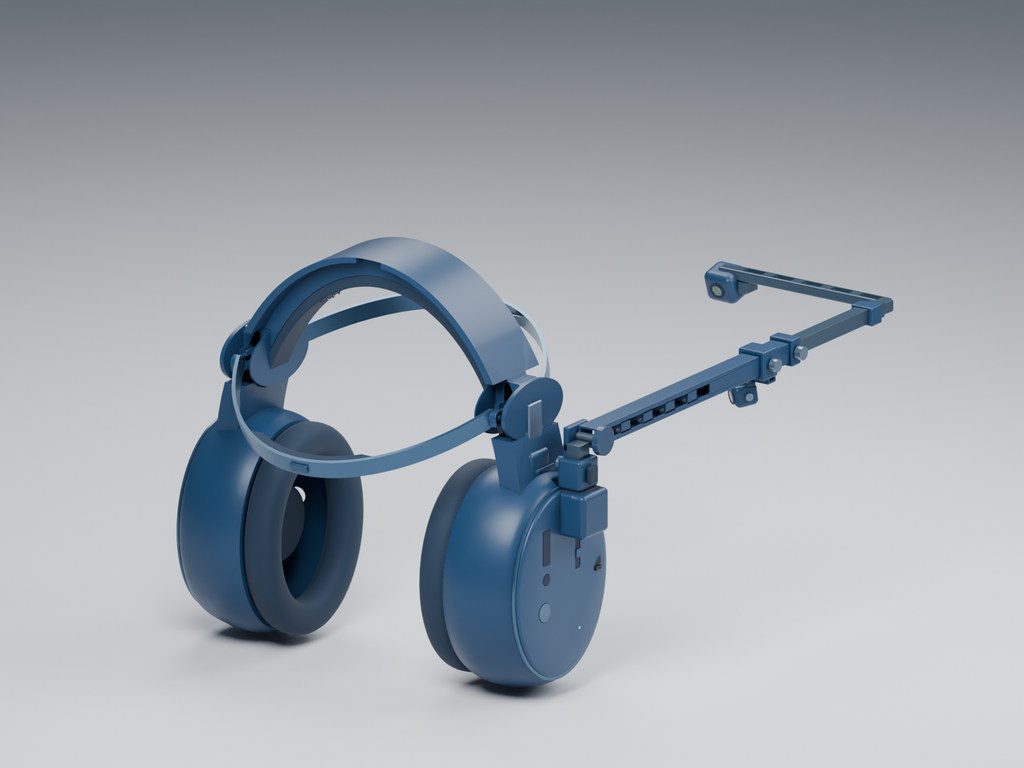
| RLL Science | Research teams studying behaviour, attention and lived experience. | Pro’s features plus a detachable arm with face and eye cameras, an additional microphone, motion sensing and an ambient light sensor. |
These are development directions. Prototypes and conversations with potential users will help determine which model to bring to market first.
Pro: additional measurements and neurofeedback
Pro’s forehead electrode band deploys from the headband, with rear support to help stabilise the fit. EEG recording would be optional.
Planned software could also support relaxation and meditation sessions, including neurofeedback in which sound responds to selected features of the EEG signal. Guided meditation and ordinary relaxation sessions would not require EEG.
Science: surroundings, face and eye in one session
The detachable arm carries two adjustable cameras: one observing the face and the other the eye. This could support studies in which researchers need recordings of the environment alongside the participant’s commentary and additional measurements.
RLL Science — concept visualisation of the detachable arm with face and eye cameras.
Planned research tools include questions presented at scheduled points, recorded answers, event markers, recording-quality information and organised session exports with timestamps. I would welcome research partners who can help define useful first pilot studies.
Compare the planned equipment
| Feature | Basic | Pro | Science |
|---|---|---|---|
| Forward-facing cameras | 1 | 2 | 2 |
| Camera for use around the neck | 1 | 1 | 1 |
| Face and eye cameras | — | — | 2 additional cameras on the arm |
| Microphones | 1 | 2 | 2 in the headphones + 1 on the arm |
| Head and forehead EEG | — | Yes | Yes |
| Forehead band and rear support | — | Yes | Yes |
| Camera adjustment | Details to be determined | Three positions for one front camera and the neck-use camera | As in Pro, plus adjustable arm cameras |
| Motion and light sensors on the arm | — | — | Yes |
| EEG neurofeedback | — | Planned | Planned |
| Research prompts and session export | — | — | Planned |
Shared plans include music playback and call functions, memory-card recording, USB, an adjustable fit, physical controls and status indicators. Access to the card and connectors, and protection against everyday weather, are part of the design work. Weight, battery life, recording quality and weather resistance remain to be established through testing.
What needs to be validated in Pro and Science?
EEG quality depends on electrode contact, movement and the recording electronics. EEG does not record the contents of thoughts or memories. Recording an eye does not by itself provide accurate gaze tracking. Signal quality, timing across recordings and the usefulness of neurofeedback will require validation; no therapeutic effects are claimed at this stage.
Additional electrode inputs are also being considered for Science, subject to further electronics development.
Why headphones rather than glasses?
For this first design, headphones provide space for cameras, electronics and batteries, as well as a useful everyday function: listening to music and taking calls. They also allow recording while worn around the neck and do not require replacing the user’s own glasses. Comfort with glasses will need testing.
Camera glasses, body-worn cameras and other small recorders can also serve useful purposes. I chose headphones as a practical starting point for this combination of recording, power, audio and optional measurements. Their size and weight are a trade-off, which is why Basic is intended to be slimmer than Pro and Science.
A small camera and microphone worn on one ear is another possible future direction. Miniaturisation and improvements in power efficiency and batteries may make that more practical. For now, the focus is on the headphone designs.
The device is intended to be designed with user data privacy and security as a priority, with local storage on a memory card. However, options for data transmission and even real-time interaction with AI servers may also be available. The choice will depend on the user’s needs and preferences.
Software that makes the recordings useful
Beyond archive selection, the planned app and REMY functions include:
| Function | Intended use |
|---|---|
| Save this moment | Mark an event, memory or association and find the relevant recording later. |
| Capture an idea | Record a voice note or a thought about a project while it is fresh. |
| Search by words | Find a passage in a transcript and open the corresponding recording. |
| Summarise on request | Prepare a summary of a meeting, conversation or personal notes when asked. |
| Draft a short film | Assemble selected travel or daily-life footage for review and editing. |
| Develop an account with REMY | Add details about people, places, associations and the meaning of an experience. |
| Take a break | Set rest reminders or start a guided relaxation or meditation session. |
These functions belong to the software working with RLL. Their scope and delivery will be developed alongside the hardware.
A 3D visualization showing the cameras’ field of view when worn on the head and when resting on the shoulders, along with a general view of the device.
Read about REMY and its role in REITION →
A tool for REITION — and a possible way to fund its development
My reason for building RLL comes from REITION’s data-collection needs. The same hardware may also be useful to people who simply want an easy way to record their activities, and to researchers who need a practical recording setup.
I intend commercial sales of RLL to help finance further work on REITION. Someone buying Basic for a trip or Science for a study would not need to share the wider project’s goals to find the device useful.
I also expect more people to become interested in preserving extensive personal data over the coming years, including with future recreation in mind. That is my long-term view, rather than an established sales forecast. Immediate demand, acceptable pricing and the economics of production still need to be tested.
Where the work stands
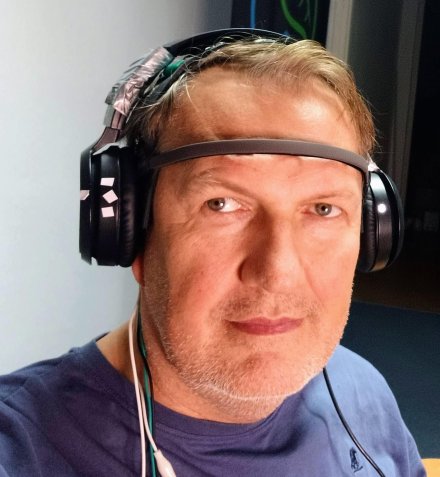
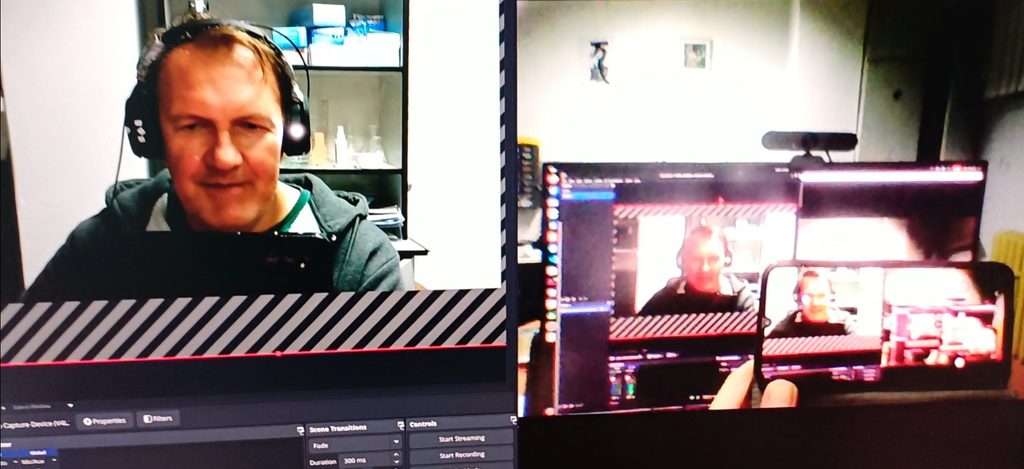
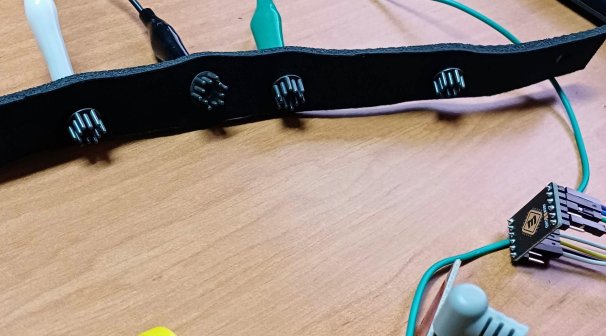
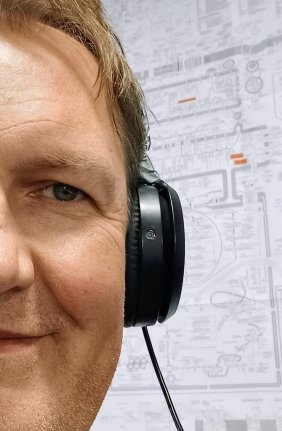
My first experimental build started with my son’s old headphones, adding a camera, electrodes and measurement electronics. Those experiments led to the Basic, Pro and Science concepts and the 3D designs shown here.
I am now looking for a development partner to help build and test the next prototypes. The immediate priorities are comfort, reliable recording, battery life and a realistic production cost. There is no confirmed retail price or release date yet.
How would you use RLL?
For recording your life, capturing associations as they arise, making videos or conducting research? I would welcome your thoughts, and interest in future testing.
Krzysztof Kurpiecki
Email: welcome@reition.space
Interested in collaborating or investing? Get in touch →
Explore REITION · Read the blog
RLL – Life Logging Device – Wearable Life Logger
Building the First Prototype – Behind the Scenes
Building the first prototype using old headphones, an endoscope camera, tape, comb electrodes, electronic components, and other materials.
The light next to the camera is only there to make its position visible in the photo. It is not a planned feature of the final product.